

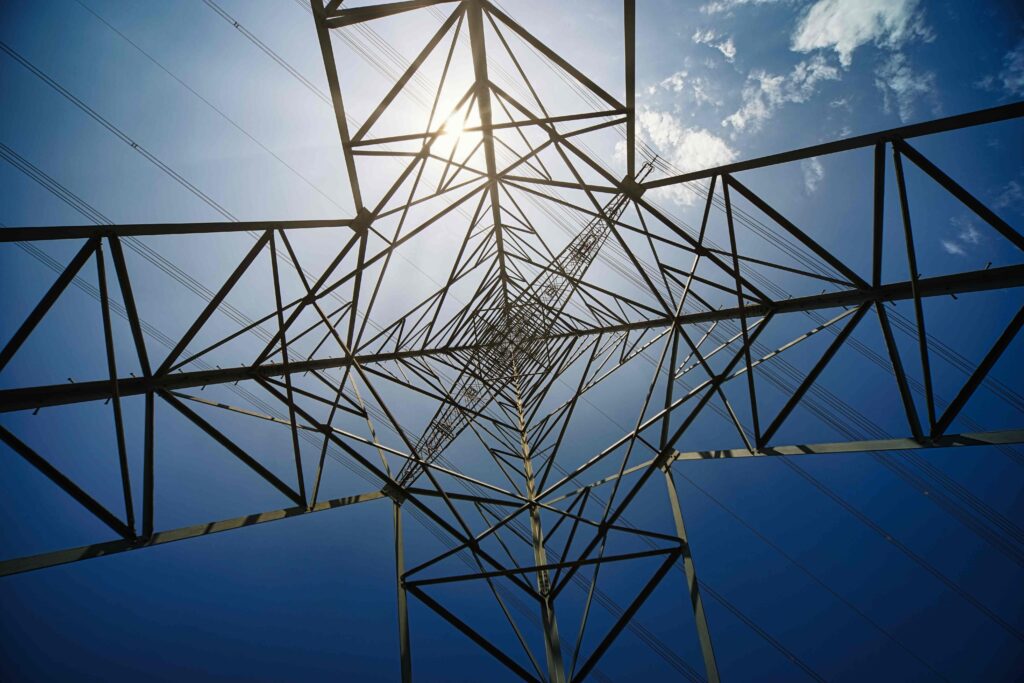
Grid congestion is reshaping the path to sustainable real estate
Grid congestion is having an increasing impact on the sustainability of real estate. Heat pumps require additional electrical capacity, the expansion of EV charging infrastructure is running up against connection limits, and further electrification is not always straightforward.
However, grid congestion does not mean sustainability efforts come to a halt. It simply requires a different approach. By reducing energy demand, managing peak loads more intelligently and making better use of available capacity, organisations can often achieve more than they expect.
“Many buildings are already operating close to the limits of their grid connection. As a result, heat pumps and additional EV charging points cannot always be installed. Organisations looking to decarbonise therefore need to focus not only on energy generation, but also on reducing and intelligently managing energy demand.”
Understanding energy use and available capacity
Organisations looking to further electrify their buildings must first understand how much capacity remains available within their existing grid connection. Annual electricity consumption alone does not provide this insight. What matters most are the moments when large amounts of power are required simultaneously.
A building may use relatively little electricity over the course of a year while still reaching the limits of its connection. This can occur when EV chargers, a heat pump, ventilation systems and other installations all demand significant power at the same time.
With reliable energy data, these patterns become visible. Consumption profiles show when peaks occur, how high they are and how closely a building approaches its agreed connection capacity. They can also be used to model the impact of adding a heat pump, extra charging points or other electrical installations.
This insight forms the foundation of energy management. Only once it is clear where, when and why power is being used can organisations identify opportunities to reduce consumption, lower or shift peak demand, and create room for further electrification.
From insight to energy management
A clear understanding of a building’s energy and power profile reveals where capacity is still available and where optimisation opportunities exist within the existing connection. This starts with reducing energy demand. Measures such as LED lighting, more efficient building systems and eliminating unnecessary energy use can lower overall consumption and, in many cases, reduce peak power requirements as well.
In addition, smart control strategies can prevent large electrical loads from demanding maximum power simultaneously. For example, an EV charging hub does not need to operate at full capacity when a heat pump and other installations are already drawing significant amounts of electricity. Energy management is therefore not only about using less energy, but also about when energy is used. By spreading demand more evenly and reducing peaks, available grid capacity can be utilised more effectively.
What if that is not enough?
Not every capacity challenge can be solved through energy efficiency and smart control alone. In some cases, additional measures are required. Battery storage combined with solar PV, for example, can help absorb peaks in electricity demand. A battery can be charged when electricity demand is low and used when the building requires additional power.
However, battery storage is not a one-size-fits-all solution. Its suitability depends on factors including the building’s consumption profile, the frequency and magnitude of peaks, the availability of local renewable generation and the characteristics of the grid connection. Here too, energy data is the starting point. The right solution is determined not by technology itself, but by the building’s actual energy and power profile.
What does this mean for your sustainability roadmap?
Grid congestion means that sustainability measures increasingly need to be considered as part of a broader strategy. For a real estate portfolio, this may mean that some buildings can continue to electrify immediately, while others first need to reduce demand or introduce smarter energy management. In some cases, additional technologies may be required, while in others it may be wiser to phase measures differently.
Alongside energy performance, costs and payback periods, another key question is becoming increasingly important: Does the planned sustainability strategy fit within the available electrical capacity?
Taking control of grid congestion
CFP Green Buildings helps organisations translate energy data into practical decisions. We analyse energy consumption, peak demand and available capacity, and assess what future sustainability measures will mean for electricity demand. From there, we explore how energy demand can be reduced, how energy management and smart control can create additional capacity, and whether complementary solutions such as battery storage are necessary and economically viable.
Wondering where there is still room within your portfolio for further electrification and sustainability measures? Get in touch with us.
Most read

The 5 most important green building certifications in Europe
Read more
New BREEAM rating of Very Good for the Van Gogh Museum
Read more
The Van Gogh Museum: Pioneer in the field of sustainability in museums
Read more
Sustainable buildings continue to set high standards across the United Kingdom
Read more

